Independent hotels face a reality that large chains never have to reckon with: no corporate marketing budget, no global loyalty programme, no brand recognition walking in the door. What boutique properties do have is something chains can never buy — character, story, and the ability to make every guest feel like the only guest.
The boutique hotels that win in 2026 are the ones that turn those advantages into a coherent marketing strategy. This guide covers exactly how to do that.
Chain hotels compete on consistency and points. Boutique hotels compete on experience and emotion. That distinction should drive every marketing decision you make.
When a traveller books a boutique property, they are not simply booking a room — they are booking a feeling. The anticipation of somewhere unexpected. The story they will tell when they get home. Your marketing job is to communicate that feeling convincingly before they arrive, so the booking feels inevitable.
This means your marketing must lead with identity, not inventory. Stop promoting room types and start promoting the life your guest gets to live inside your hotel.
Before you write a single social caption or run a single ad, you need clarity on two things: who your hotel is for, and what it uniquely offers.
Your ideal guest profile is not “anyone who travels.” It is a specific type of traveller who will love your property the most, spend the most, and tell the most people. Think about the guests who have left your best reviews. What do they have in common? What brought them to you? What made them feel the hotel was made for them?
Your unique positioning is the answer to the question: “Why here, rather than anywhere else?” For some boutique hotels the answer is location. For others it is design, cuisine, sustainability, heritage, or a particular philosophy of hospitality. Whatever it is, it needs to be specific enough to be meaningful and honest enough to be believed.
Once you have those two things, you can write a positioning statement. Keep it simple:
[Hotel name] is the hotel for [ideal guest] who wants [core desire], delivered through [what you uniquely offer].
Every piece of marketing you create should be traceable back to that statement.
Your website is your single most important marketing asset, because it is where the decision to book is made. A beautiful Instagram presence and a weak website is money left on the table.
Boutique hotel websites that convert well share several characteristics.
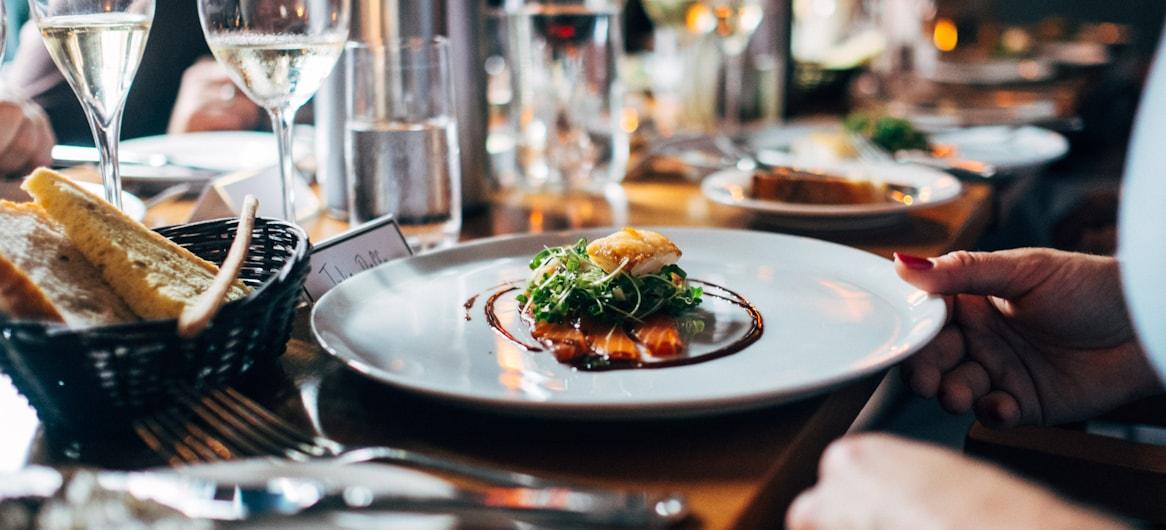
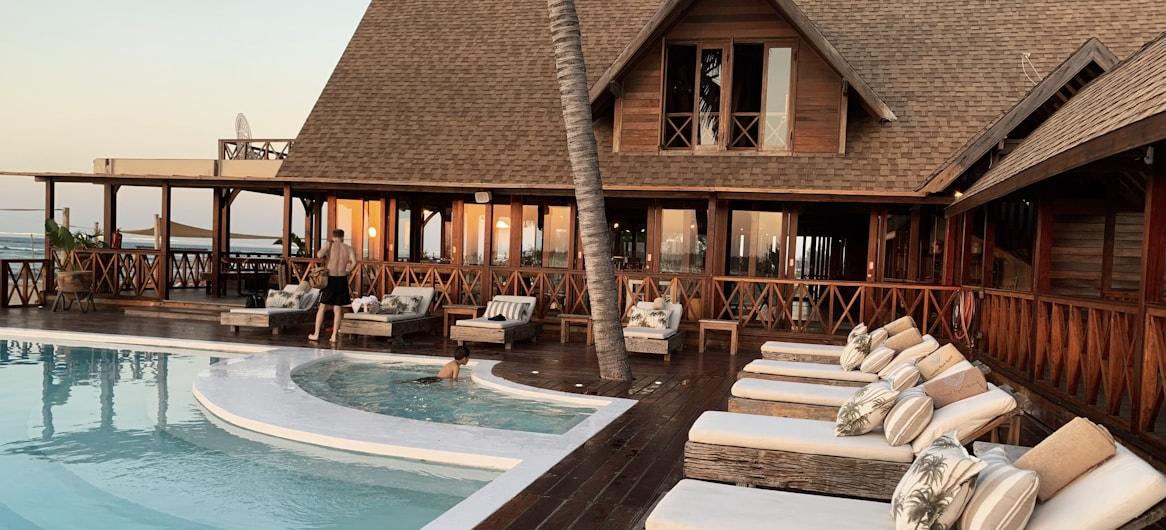
They lead with photography that tells a story. Not just attractive room shots, but images that place the guest inside an experience — breakfast on a terrace, a specific light at a specific hour, a detail that reveals the care that went into the space. Invest in professional photography before you invest in advertising.
They make the booking path frictionless. Your “Book Now” button should be visible without scrolling on every page. The booking engine should load fast, display clearly on mobile, and make it obvious how to complete a reservation. Every extra click between desire and confirmation costs you bookings.
They answer the questions guests have before they think to ask them. What makes this hotel different? What is nearby? What does breakfast look like? Is there parking? These are the questions that stall bookings when the answers are buried or absent.
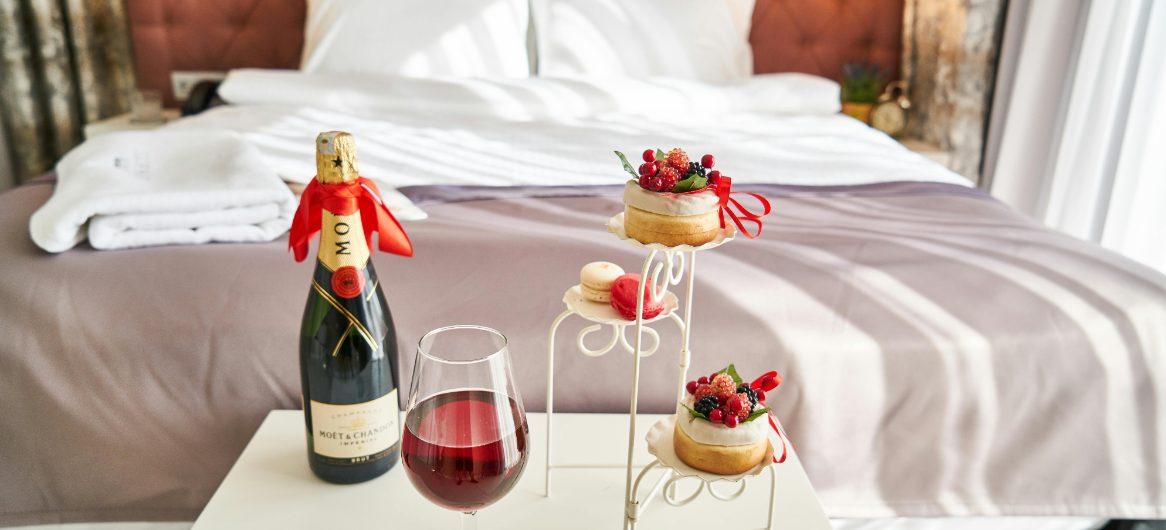
They offer a reason to book direct. A direct booking rate, complimentary breakfast, early check-in, a bottle of wine on arrival — whatever fits your property and margin. Make it visible and specific.
OTAs are a necessary part of the distribution mix for most independent hotels, but they are an expensive one. Commission rates typically run between 15 and 25 percent. An independent hotel paying 18 percent commission on 70 percent of its rooms is surrendering a significant portion of potential profit to platforms that do not know or care about its brand.
A direct booking strategy is not about abandoning OTAs — it is about rebalancing the mix over time.
Rate parity is your first conversation. Many boutique hotels are contractually obliged to match OTA rates on their own website. However, you can offer non-rate value: added extras, flexible cancellation, room upgrades, F&B credits. These give guests a genuine reason to book direct without technically breaching parity agreements.
Email capture is your long-term asset. Every guest who books through an OTA is a guest you do not have a direct relationship with. Build systems that capture email addresses during the stay — check-in forms, WiFi sign-up, post-stay review requests — so you can communicate with past guests directly.
A loyalty programme does not need to be elaborate. Even a simple “fifth stay free” or “return guest discount” communicated by email creates a meaningful incentive for repeat direct bookings.
Search engine optimisation delivers the highest long-term return on investment of any digital marketing channel. A hotel that ranks on page one of Google for its core search terms receives free, high-intent traffic every day without paying per click — and that compound effect builds over time in a way that paid advertising alone cannot replicate.
The keywords that matter most for boutique hotels combine location with intent:
Your website pages — especially your homepage, rooms page, and location page — should be written with these terms in mind. Your Google Business Profile should be complete, accurate, and actively maintained. And your blog should publish content that answers the questions your ideal guests are already searching for.
SEO and paid media are not alternatives — they are complements. SEO builds the foundation of long-term organic visibility; paid media accelerates results, fills gaps in the short term, and lets you compete in high-value moments you have not yet earned organically. The best hospitality marketing strategies run both together.
The mistake most boutique hotels make on social media is treating it as a noticeboard — posting offers, sharing reviews, announcing availability. Guests do not follow hotels for information; they follow them for aspiration.
Your social media should make people want to be there.
Instagram and TikTok are your strongest channels for boutique properties because they are visual and experiential. Show the behind-the-scenes moments your guests love: the morning light in a specific room, the chef preparing something beautiful, a detail of the décor that no chain hotel would ever think of.
Consistency matters more than frequency. Three carefully produced posts per week will outperform daily filler. Maintain a consistent visual identity — same filters, same colour palette, same tone of voice — so that your feed becomes instantly recognisable.
User-generated content is your most credible marketing. When guests tag your hotel in their own posts, engage with it, reshare it, and say thank you. Encourage it with a branded hashtag. A real guest experience, posted organically, is worth more than any polished campaign.
Paid advertising — Google Ads, Meta ads, hotel metasearch — works best when it is targeted, seasonal, and measurable. For boutique hotels with limited budgets, the priorities are:
Google Ads on branded terms. If someone searches your hotel name, you want to appear at the top of the results, not an OTA. Branded search campaigns are low-cost and protect direct bookings from commission bleed.
Google Hotel Ads and metasearch. Appearing on metasearch platforms — where travellers compare rates across OTAs and your direct booking site side by side — is one of the highest-return paid channels available to independent hotels. A small investment here can shift bookings from OTA commission to direct revenue.
Retargeting website visitors. Someone who visited your website and did not book is a warm lead. Retargeting ads on Meta and Google Display bring them back at a fraction of the cost of acquiring new visitors.
Seasonal and event-driven campaigns. Valentine’s Day, bank holiday weekends, local festivals, corporate travel season — plan paid campaigns around the moments when demand peaks and a well-targeted ad can tip a consideration into a booking.
Email is the most direct, cost-effective marketing channel available to an independent hotel — and the most underused. Unlike social media, where your content competes for attention in an algorithm you do not control, email reaches people who have already chosen to hear from you. Unlike OTA traffic, it is a relationship you own.
Build your list from day one. Every guest who stays is a potential subscriber. Capture email addresses at every touchpoint — pre-arrival communications, WiFi login, check-in, post-stay follow-up — and give guests a clear reason to stay on your list.
Automate the guest journey. A pre-arrival email that builds anticipation and surfaces useful information. A mid-stay message that offers upsells or local recommendations. A post-stay thank you with a review request and a return offer. These three automated emails, set up once and running permanently, will generate measurable commercial return with no ongoing effort.
Send campaigns worth opening. Your monthly or seasonal email should not be a promotions bulletin. It should read like a letter from the hotel — news from the property, seasonal updates, a reason to visit now, a story worth telling. The hotels with high email open rates are the ones whose guests genuinely look forward to hearing from them.
Over time, a well-managed email list becomes one of your most valuable direct booking assets. It costs nothing per send, converts at rates that paid channels rarely match, and strengthens the guest relationship with every message.
Most digital marketing agencies will take hospitality clients. Very few understand hospitality well enough to genuinely help them.
A generalist agency applying generic frameworks to your hotel will optimise for the wrong metrics, recommend channels that do not fit your guest profile, and miss the commercial nuances — OTA commission structures, rate parity, booking engine performance, the relationship between review scores and direct booking conversion — that determine whether marketing activity actually moves revenue.
A specialist hospitality agency brings a different starting point. They understand that driving traffic is only part of the job — driving traffic to the right channel, at the right margin, at the right time in the booking window, is the real work. They know how SEO, paid media, email, and reputation management interact with each other and with your revenue strategy, not just as separate tactics but as a coherent system.
For independent hotels without an in-house marketing team, a specialist agency provides the strategic depth and channel expertise that would otherwise require hiring multiple senior people. For properties that already have marketing resource, the right agency extends capability in areas where specialist knowledge genuinely changes outcomes.
When choosing an agency, ask to see commercial outcomes from comparable properties — not just traffic and engagement metrics, but direct booking rate improvements, OTA commission reduction, and revenue growth. An agency that cannot speak fluently about these numbers is not a hospitality specialist, whatever they claim.
The metrics that matter for a boutique hotel marketing strategy are not impressions or followers. They are:
Track these monthly. Know which marketing activities are moving them and which are not. A boutique hotel that reviews its numbers monthly will make significantly better marketing decisions than one that reviews them annually.
For boutique hotels, reputation is not a byproduct of marketing — it is the marketing. Your TripAdvisor ranking, your Google rating, and the quality of your review responses collectively determine how many travellers choose you over a competitor. All the SEO, paid media, email and social activity in the world will struggle to convert if your review scores tell a different story.
Respond to every review. Thank guests for positive reviews warmly and specifically — reference something they mentioned rather than using a template. Respond to negative reviews calmly, acknowledge what went wrong, explain what you have changed, and invite the guest to return. Future guests read your responses as much as the reviews themselves.
Actively request reviews from satisfied guests. A brief, personal email two days after checkout asking for feedback, with a direct link to Google or TripAdvisor, will consistently improve both volume and score.
Reputation management is where your marketing strategy meets your product. The strongest boutique hotels treat every review as operational feedback — using it not just to manage perception, but to improve the experience that generates the next round of reviews.
The boutique hotels that consistently outperform their set share a discipline that has nothing to do with budget: they know exactly who they are, they communicate that identity clearly and consistently across every touchpoint, and they measure whether it is working.
That is the complete boutique hotel marketing strategy. Not a list of tactics, but a coherent approach built on identity, directed through the right channels, and refined by results.
If you want help building or improving any part of this strategy for your property, The Lobby works exclusively with independent hotels and restaurants. Get in touch to talk through where to start.
The Lobby builds bespoke digital marketing strategies for boutique hotels — from brand to bookings.