Google Ads captures diners who are already looking for somewhere to eat. Facebook and Instagram ads reach diners before that search happens — when they are scrolling through their feed, not yet thinking about dinner, but open to the idea of somewhere new.
The two channels do different jobs in a restaurant marketing strategy. Google converts existing demand. Facebook and Instagram create new demand — building awareness, generating aspiration, and staying front of mind until the moment a diner decides to book.
For independent restaurants, paid social done well produces bookings that would not have happened otherwise. Done poorly, it produces likes, shares, and comments — social metrics that feel like results but do not show up in the reservation book.
This guide covers how to run Facebook and Instagram ads that fill tables, not just build followings.
Understanding what Facebook and Instagram ads can and cannot do is the starting point for any restaurant paid social strategy.
What they do well: Build awareness of your restaurant among people who match the profile of your target diner. Drive traffic to specific offers, menus, or events. Retarget people who have visited your website or engaged with your social content. Promote seasonal menus, special occasions, and events to warm audiences who already know you.
What they do less well: Convert cold audiences with no prior awareness of your restaurant into same-day bookings. Replace the immediate purchase intent captured by Google Search. Produce consistent, predictable booking volumes at the same cost-per-cover efficiency as well-run paid search.
The most effective restaurant paid social strategies combine both functions — awareness building for new audiences, conversion-focused retargeting for warm audiences — and measure each separately.
The biggest factor in restaurant Facebook and Instagram ad performance is not the creative — it is the audience. Showing the right ad to the wrong people produces nothing.
Geographic targeting: For most independent restaurants, the relevant audience lives within a defined radius of the restaurant — typically 5–20 miles depending on the type of restaurant and market. A neighbourhood bistro draws from within 3 miles. A destination tasting menu restaurant may draw from 50 miles or more. Set geographic boundaries that reflect your actual diner catchment.
Demographic and interest targeting: Facebook’s interest targeting allows you to reach people who have expressed interest in dining, specific cuisines, food and drink, or related lifestyle categories. Layer these with age and income signals relevant to your dining demographic. A premium restaurant targeting 25–55 year olds with household income indicators and interests in dining, wine, and travel is more likely to reach relevant diners than a broad demographic campaign.
Lookalike audiences: Upload your existing customer email list to Facebook and build lookalike audiences — people who share demographic and behavioural characteristics with your existing guests. Lookalike audiences consistently outperform interest-based targeting for conversion campaigns, because they are modelled on people who have already proved willing to dine with you.
Retargeting audiences: Website visitors who did not complete a booking, Instagram profile visitors, people who engaged with your posts or ads — these warm audiences have already demonstrated interest. Retargeting ads served to these audiences typically convert at significantly higher rates than cold audience campaigns, at lower cost.
Restaurant creative on social media works when it creates a genuine desire to visit. Not to like, share, or save — to book a table.
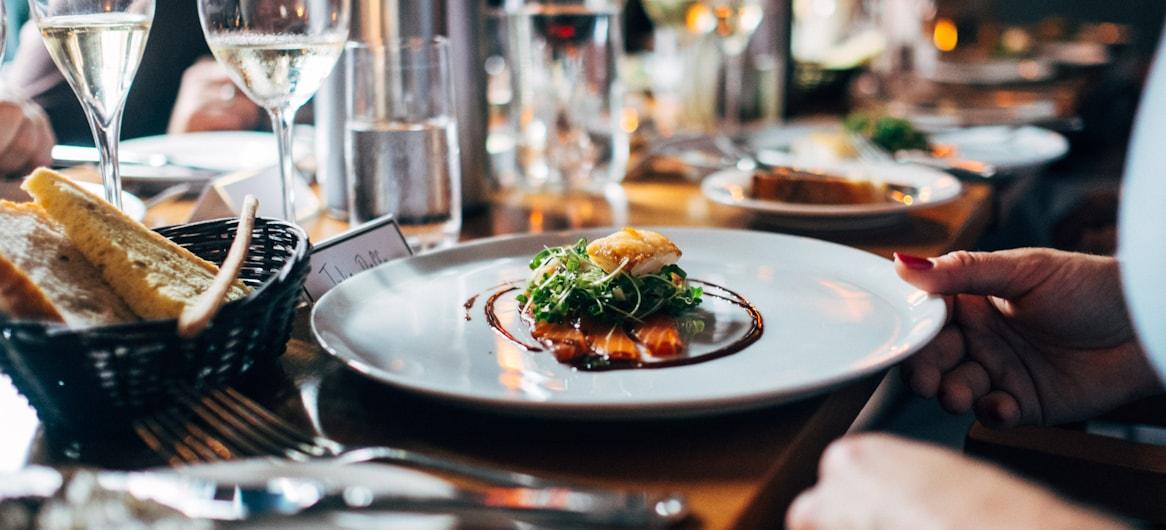
Food photography: The highest-performing restaurant social ads consistently feature outstanding food photography. Not phone snapshots — professional or near-professional images that make the food look as good as it tastes. If your creative budget allows one investment, it should be a professional food shoot. The images will serve across organic social, paid ads, your website, and Google My Business.
Video: Short video — dish preparation, plating, atmosphere, behind-the-kitchen content — consistently outperforms static images for reach and engagement on both Facebook and Instagram. Video does not need to be expensive. A well-lit 15-second reel of a signature dish being plated will outperform a static menu image for most audiences.
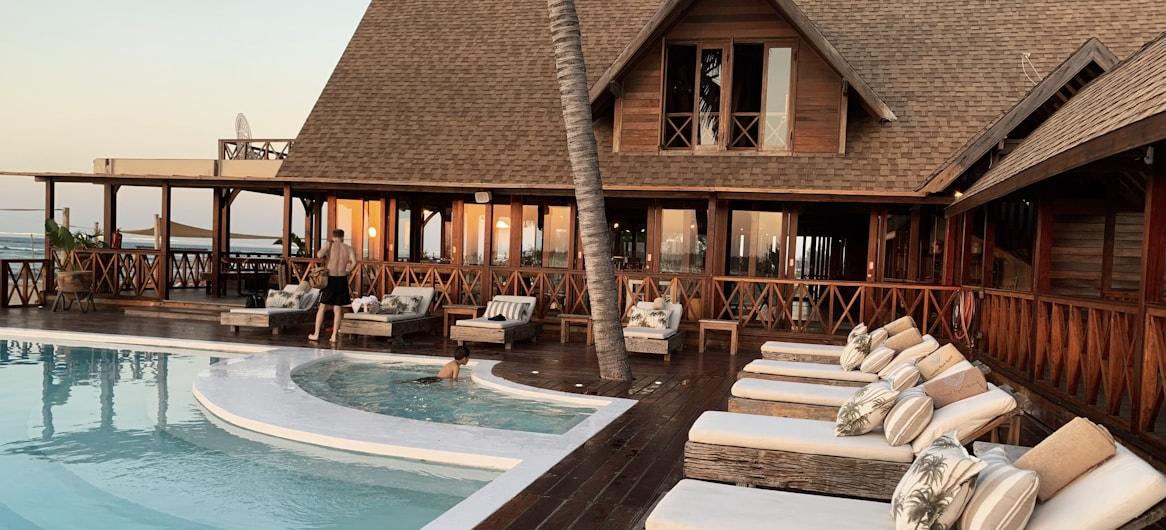
Atmosphere and environment: Diners book an experience, not just a meal. Shots of the dining room, the bar, the terrace, the private dining room — visual evidence of what it feels like to be in the restaurant — support booking decisions as much as food photography.
Social proof: Guest testimonials, press quotes, award recognition, and review statistics used in ad creative add credibility — particularly for awareness campaigns reaching cold audiences who have no prior experience of the restaurant.
Facebook’s campaign objectives determine how the algorithm optimises your spend. Choosing the wrong objective is one of the most common causes of poor restaurant ad performance.
Awareness campaigns: Use Reach or Brand Awareness objectives to maximise the number of relevant people who see your restaurant. These campaigns do not optimise for clicks or bookings — they optimise for visibility. Use for new restaurant launches, seasonal menu announcements, or building brand recognition in your target area.
Traffic campaigns: Use the Traffic objective to drive clicks to a specific page — a seasonal menu landing page, a special offer, an events page. Traffic campaigns optimise for link clicks but do not guarantee booking completions. Useful for warming audiences who will later be retargeted.
Conversion campaigns: Use the Conversions objective to optimise for a specific action on your website — a booking completion, a reservation enquiry form submission, a click to your booking engine. Conversion campaigns require the Meta Pixel to be installed on your website and conversion events to be configured. They deliver the best cost-per-booking results but need sufficient conversion data (typically 50+ events per week) to optimise effectively.
Lead generation campaigns: Use Lead Ads to collect email addresses or booking enquiries directly within Facebook, without requiring a click to your website. Useful for building email lists for future marketing or capturing enquiries for private dining and events.
Facebook and Instagram ads with a specific offer consistently outperform general awareness ads for independent restaurants with limited budgets. An offer gives the diner a reason to act now rather than later.
Seasonal menus: “Our spring tasting menu is now available — 5 courses from £65, Wednesday to Sunday evenings.” A specific, time-limited offer creates urgency that general awareness ads cannot replicate.
Midweek offers: Restaurants with strong weekend occupancy often use paid social to fill quieter midweek covers. A targeted midweek offer — early bird menu, set lunch deal, wine inclusion — addressed to local diners in your catchment area, promoted Monday to Wednesday, can consistently generate incremental midweek bookings.
Special occasions: Valentine’s Day, Mother’s Day, Father’s Day, Christmas, New Year’s Eve — event-based campaigns targeting diners planning ahead for specific occasions are among the highest-converting restaurant paid social campaigns. Start these 6–8 weeks before the date, tapering spend as availability fills.
Private dining and events: Private dining enquiries typically have higher average value than individual covers. A lead generation campaign targeting local businesses, event planners, and celebration occasion searchers can produce high-value private dining enquiries at competitive cost-per-lead rates.
Restaurant paid social budgets vary considerably based on market, objective, and campaign type. These are practical benchmarks for independent restaurants.
Retargeting campaigns: £200–£500 per month. Small audiences, high conversion rates, efficient cost-per-booking. Every restaurant with a Meta Pixel installed should run retargeting campaigns — the ROI on warm audience retargeting is typically the highest in any restaurant marketing budget.
Local awareness campaigns: £300–£800 per month for a sustained local presence in your geographic catchment area. Builds brand recognition over time rather than immediate booking conversion.
Event and seasonal campaigns: £500–£2,000 per event, depending on venue capacity and revenue opportunity. A Valentine’s Day campaign for a 50-cover restaurant with four sittings at £80 per head has a total revenue potential of £16,000 — a campaign budget of £800–£1,200 to fill that capacity is commercially straightforward to justify.
Vanity metrics — likes, followers, reach, engagement rate — do not pay for covers. The metrics that matter for restaurant paid social are bookings generated, cost per booking, and revenue attributable to paid social campaigns.
Track these through: the Meta Pixel and conversion events on your booking completion page, UTM parameters on all ad URLs to identify paid social bookings in Google Analytics, and where possible, ask diners how they heard about you and record this at the reservation stage.
Attribution in restaurant marketing is imperfect — a diner who saw your Instagram ad three weeks ago and then searched for you on Google will not appear in your Facebook attribution report. But directional measurement is better than none. If campaign spend of £600 generates 40 reservations at an average value of £45 per head — a directly traceable return of £1,800 on £600 spend — the campaign is justified.
Paid social works best as part of an integrated restaurant marketing approach. Facebook and Instagram ads build awareness and warm audiences. Google Search captures that demand when it becomes active. Email marketing converts your existing guest database for repeat visits. Your website and booking engine convert all of it into reservations.
Running paid social in isolation — without a Google presence, without an email programme, without a booking-optimised website — means you are building awareness that has nowhere to land. The full value of paid social is only realised when the booking infrastructure around it is strong.
The Lobby manages Facebook and Instagram advertising for independent restaurants across Europe — building campaigns that generate bookings, not just engagement.
The Lobby is a hospitality digital marketing agency working with independent hotels and restaurants across Europe. We combine paid media, SEO, and website strategy to grow direct revenue.
Talk to The Lobby about a Google Ads or social media strategy built around your restaurant’s booking goals.