The relationship between social media advertising and hotel direct bookings is more nuanced than most hotel marketing guides suggest. Facebook and Instagram ads do not work like Google Search ads. They do not capture guests who are actively looking for your hotel. They reach guests before that search happens — when they are in a receptive but undirected state, scrolling through content, open to inspiration but not yet in booking mode.
Understanding this distinction is the starting point for building a hotel paid social strategy that produces real commercial returns rather than vanity metrics.
A hotel booking journey typically involves multiple touchpoints over days or weeks. A guest might see a travel article, notice a hotel Instagram post, see a paid social ad, conduct a Google Search, visit the hotel website, compare OTA rates, and complete a direct booking. Each touchpoint contributed to the decision — but only the final one will receive credit in a last-click attribution model.
Paid social operates primarily in the upper and mid-funnel of this journey — building awareness, creating desire, and staying present during the consideration phase. It works in parallel with other channels, not instead of them. A hotel running paid social in isolation, without Google Search, without metasearch, without a high-converting booking engine, will find that paid social spend generates engagement but not bookings.
The channels that should receive priority investment before paid social: Google Ads branded campaigns (to protect brand search), a direct booking website (to convert traffic), and basic metasearch presence (to compete at the moment of booking decision). Once these foundations are in place, paid social adds incremental value at the top of the funnel.
Within the hotel marketing mix, paid social consistently delivers commercial value in four specific applications.
Retargeting website visitors
Guests who visited your hotel website without booking are warm audiences. They know the property. They showed interest. A retargeting campaign — displaying ads to recent website visitors as they use Facebook and Instagram — brings these guests back into the booking journey. Retargeting delivers the highest ROAS of any paid social campaign type for hotels because the audience is pre-qualified.
Set up: Install the Meta Pixel on your hotel website. Create custom audiences from website visitors (segmented by pages visited — rooms page, booking engine, specific offer pages). Run conversion-objective ads to these audiences with direct booking calls to action.
Promoting time-sensitive offers
Seasonal packages, flash sales, early booking discounts, and limited availability offers perform well on paid social because they create genuine urgency. A post promoting “3 nights for the price of 2 — offer ends Sunday” gives audiences a reason to act now rather than later. These campaigns work best as conversion-objective ads targeted at warm audiences — people who follow your page, have engaged with your content, or have visited your website — rather than cold prospecting audiences.
Building brand awareness for new or repositioned hotels
For hotels launching, rebranding, or expanding into new markets, paid social brand awareness campaigns reach targeted audiences who would not otherwise encounter the property. Awareness campaigns are measured on reach and frequency (how many relevant people saw the ads and how often) rather than direct booking conversions. The commercial return is indirect — increased branded search volume, higher direct traffic, larger retargeting audiences for future conversion campaigns.
Reaching specific guest segments for specialist properties
Hotels with a defined guest profile — wedding venues targeting engaged couples, golf resorts targeting golfers, wellness retreats targeting specific lifestyle segments — can use Facebook’s interest and demographic targeting to reach their ideal guest with a precision that broad search campaigns cannot match. A wedding venue running ads targeting people in a specific age range who are recently engaged, within a driving radius of the property, can generate high-quality enquiries at competitive cost-per-lead rates.
The difference between a paid social campaign that generates bookings and one that generates only impressions often comes down to audience quality.
Retargeting audiences (highest priority): Website visitors, booking engine abandoners, people who engaged with your Instagram or Facebook content in the last 30–90 days, past guests whose email addresses you have uploaded as a Custom Audience. These audiences are warm, relevant, and have higher conversion rates than cold prospecting audiences.
Lookalike audiences (medium priority): Upload your existing guest email database (500+ records recommended) and create a Lookalike Audience — Facebook identifies people who share demographic and behavioural characteristics with your existing guests. Lookalikes outperform interest-based targeting for most hotels because they are modelled on real booking behaviour rather than inferred interests.
Interest and demographic targeting (lower priority for conversion, useful for awareness): Travel interest audiences, specific destination interest audiences, demographic targeting based on your typical guest profile. These reach people with no prior exposure to your hotel — the lowest-intent, least efficient audience for direct conversion campaigns, but useful for building brand awareness and feeding future retargeting pools.
Hotel creative on social performs best when it creates aspiration — a genuine desire to be in that place, having that experience. The creative strategies that consistently work:
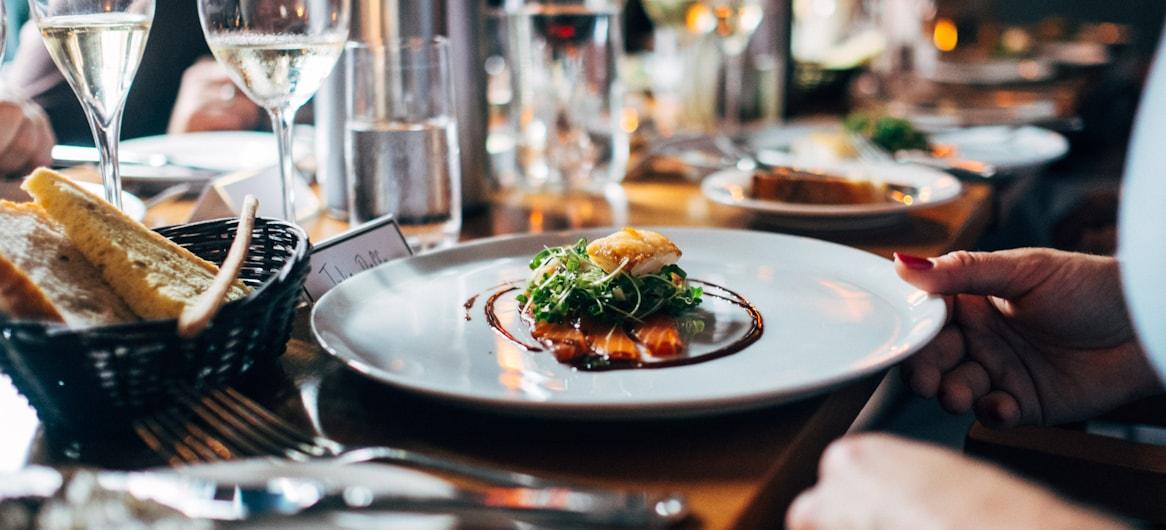
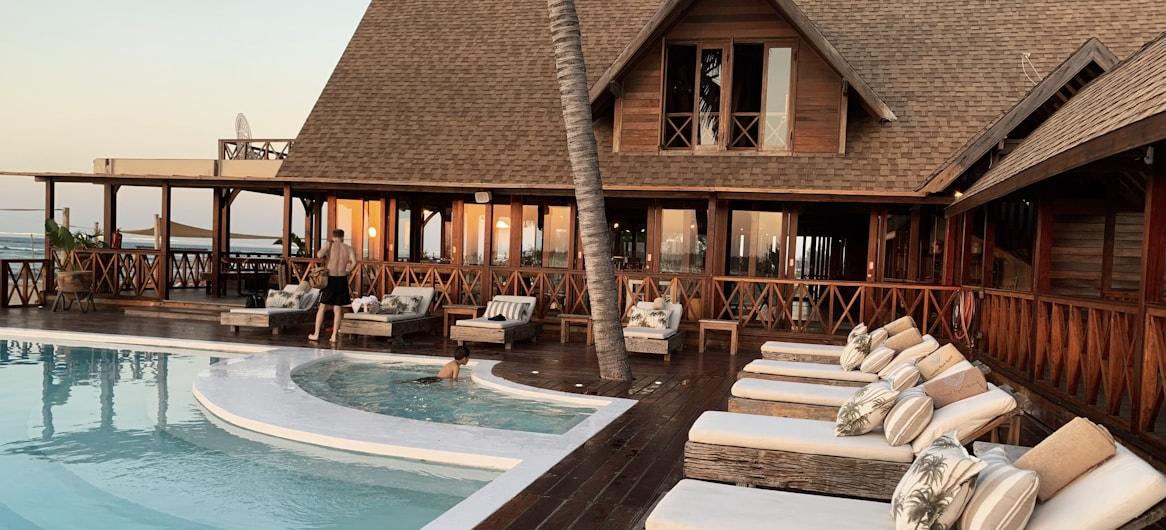
Immersive property photography: The view from the room, the pool at dusk, the spa treatment room, the restaurant table setting. Images that allow the viewer to imagine themselves there. Professional photography investment pays for itself many times over in paid social performance.
Short video: A 15–30 second video of the hotel — the arrival experience, the view, food preparation, the spa — drives higher engagement and reach than static images in almost all placements. Instagram Reels and Facebook video placements favour video content algorithmically, extending reach beyond the paid audience.
User-generated content: Guest photography and video, used with permission, carries authenticity that professional creative cannot replicate. A guest’s Instagram story from your terrace, used as a paid ad, often outperforms studio photography because it feels real rather than aspirational.
Offer-led creative: Clear, visually prominent presentation of a specific offer — package details, dates, price — outperforms general brand imagery for conversion campaigns. If you want someone to book a specific package, show them the package.
Choosing the right Meta campaign objective is critical — it determines what the algorithm optimises for and therefore what the campaign delivers.
Conversions objective: Optimises for a specific action on your website — booking completion, booking engine click, enquiry form submission. Requires the Meta Pixel and configured conversion events. Use for retargeting campaigns and offer-specific campaigns targeting warm audiences. Delivers the best cost-per-booking results when sufficient conversion data exists (50+ events per week to optimise effectively).
Traffic objective: Optimises for link clicks to your website. Use to drive traffic to specific landing pages — a new menu page, an offer page, a rooms section. Lower barrier to optimisation than Conversions but does not guarantee bookings. Useful for warming audiences who will later be retargeted.
Awareness and Reach objectives: Optimise for the number of people who see your ad. Use for brand-building campaigns targeting new audiences in your geographic market. Measured on reach, frequency, and CPM rather than bookings. Appropriate for new hotel launches, rebrands, or seasonal awareness campaigns.
Lead Generation objective: Delivers an in-platform form that collects contact details without requiring a click to your website. Use for high-value enquiries — wedding packages, private dining, corporate rate enquiries — where the booking journey requires a conversation rather than a direct online transaction.
Hotel paid social budgets should reflect the audience types being targeted — retargeting requires less budget than prospecting because the audiences are smaller and convert more efficiently.
Retargeting campaigns: £200–£600 per month for a hotel with 3,000–8,000 monthly website visitors. Higher website traffic allows larger retargeting audiences and higher spend efficiency.
Offer and seasonal campaigns: £400–£1,500 per campaign, run for 4–8 weeks ahead of the offer window. Budget to match the revenue opportunity — a campaign promoting a £15,000 capacity package window can justify higher spend than one promoting a limited midweek offer.
Brand awareness campaigns: £300–£800 per month for sustained local market presence. Measured on audience growth and branded search uplift over 3–6 months, not immediate booking conversion.
The primary metrics for hotel paid social should be direct bookings generated and cost per booking — not reach, impressions, or engagement rate.
Track bookings via: the Meta Pixel conversion events on your booking confirmation page, UTM parameters on all ad destination URLs (enabling source tracking in GA4), and where possible, a question at booking stage asking how the guest heard about the hotel.
Accept that attribution will be imperfect. Multi-touch booking journeys mean some paid social contribution will be invisible in last-click models. Use GA4’s attribution reports to see where social ads appear in full conversion paths. If paid social consistently appears as a touchpoint in journeys that eventually convert, it is contributing value even when other channels receive last-click credit.
Set a minimum 90-day evaluation window for new paid social campaigns. Social media advertising builds audiences and algorithms over time — campaigns evaluated at 30 days often appear less effective than campaigns that have had time to optimise.
The Lobby manages Facebook and Instagram advertising for independent hotels across Europe — building campaigns that fill rooms, not just generate likes.
The Lobby is a hospitality digital marketing agency working with independent hotels and restaurants across Europe. We combine paid media, SEO, and website strategy to grow direct revenue.
Talk to The Lobby about a paid media strategy built around your hotel’s direct booking goals.