There is no shortage of restaurant marketing advice. The problem is that most of it is generic — the same list of tactics recycled across a thousand blog posts, none of it calibrated to the specific reality of an independent restaurant with limited time, limited budget, and a genuine product worth promoting.
These fifteen ideas are different. Each one is actionable, specific to independent hospitality, and designed to drive covers — not just impressions. Work through them in order or pick the ones that apply to where you are right now.
Before any tactic, define exactly who your restaurant is for and what it offers that no one else does. A clear positioning statement — [Restaurant name] is the restaurant for [ideal guest] who wants [core desire], delivered through [what makes you unique] — should sit behind every marketing decision you make. Restaurants that skip this step end up with inconsistent marketing that works for no one in particular.
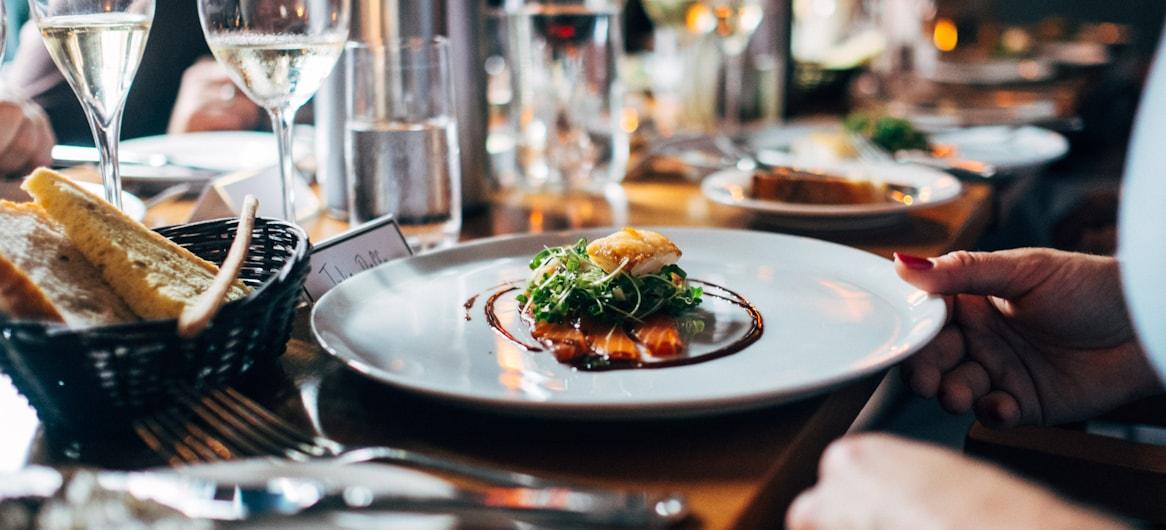
Nothing else on this list will work as well without it. A half-day shoot with a good food photographer gives you the visual currency you need for your website, social media, email, and advertising — all from one investment. Spend on this before you spend on ads. Beautiful content in good channels outperforms mediocre content in any channel.
Your Google Business Profile is your most important free marketing asset. Keep opening hours up to date, upload fresh photos monthly, respond to every review, and make sure your menu link is correct. Restaurants with consistently maintained profiles rank higher in local search and convert significantly better than those with neglected ones.
If a diner can book directly through your website rather than through a reservation platform that takes a fee, give them a reason to. A complimentary glass of wine on arrival, a table in the best part of the room, priority access to special menus — something small and genuine that makes the direct booking feel like the smarter choice.
A well-written monthly email to people who have already dined with you is one of the highest-return marketing activities a restaurant can run — and almost no independent restaurants do it consistently. Share a new dish, a seasonal menu, an upcoming event, or a note from the kitchen. Keep it genuine. The goal is to stay in the minds of people who already like you.
The content that consistently outperforms polished dish photography on social media is raw, real kitchen content: the prep, the craft, the 6am delivery of something extraordinary from a local supplier, the pass at full service. This content is free to create, requires only a phone, and builds the kind of authentic connection with an audience that paid advertising cannot replicate.
A brief, personal message — via email or a QR code card on the table — asking a satisfied guest to leave a Google review is one of the highest-leverage, lowest-cost marketing actions available to a restaurant. Volume and recency of reviews directly affect your local search ranking. Make it a system, not an afterthought.
Future guests read your responses as carefully as the reviews themselves. A warm, specific response to a positive review shows personality and care. A calm, gracious response to a negative one shows maturity and professionalism. Template responses do more damage than no response at all — people can tell immediately.
Every seasonal menu change is a marketing event — a reason to email your list, post a series on social media, pitch a journalist, and run a targeted paid campaign. Restaurants that treat menu launches as content moments consistently generate more bookings from the same food than those that simply update the menu and say nothing.
A significant portion of restaurant bookings come from occasion searches: “birthday restaurant Dublin,” “anniversary dinner Cork,” “private dining for 12 London.” If you want to win those searches, you need a dedicated page — not just a mention in your homepage copy. Build pages for the occasions you want to own and write them with the specific searcher in mind.
Valentine’s Day, Mother’s Day, Christmas — these are the dates when people who do not usually book restaurants actively search for somewhere to go. A well-targeted Meta campaign running in the two to three weeks before each date, aimed at people within a defined radius with relevant interests, is one of the most reliable ways to fill tables during peak periods.
A local hotel, a wine merchant, a florist, a theatre — any business that serves a similar audience without competing with you directly is a potential marketing partner. Cross-promotions, shared events, mutual referrals: these are low-cost ways to reach a qualified new audience that a competitor’s paid campaign cannot touch.
An automated email sent the day before a booking — telling the guest something to look forward to, mentioning a dish that is particularly good right now, sharing a detail about the evening — builds anticipation, reduces no-shows, and creates a warmer starting point for the experience. Most booking systems support this. Almost no independent restaurants use it.
Word of mouth is your highest-converting marketing channel — but you can make it more deliberate. A simple referral offer — “bring a friend who hasn’t dined with us before and you’ll both receive a complimentary glass of wine” — gives your existing guests a reason to actively recommend you rather than just passively mention you.
The restaurants that improve their marketing fastest are not the ones with the biggest budgets — they are the ones that review what is working and adjust quickly. Covers by channel, average spend, return rate, review volume — check these monthly, not annually. The patterns you spot in six weeks of data are the ones that compound into real competitive advantage over a year.
Do not try to implement all fifteen at once. Pick the two or three that address the biggest gap in your current marketing, do them properly, and measure whether they are working before adding more. Consistent execution of a few things well outperforms inconsistent execution of everything.
If you want help prioritising or implementing any of these ideas for your restaurant, The Lobby works exclusively with independent hospitality businesses. Get in touch to start the conversation.
The Lobby creates and executes tailored digital marketing for independent restaurants — built around your venue and your guests.