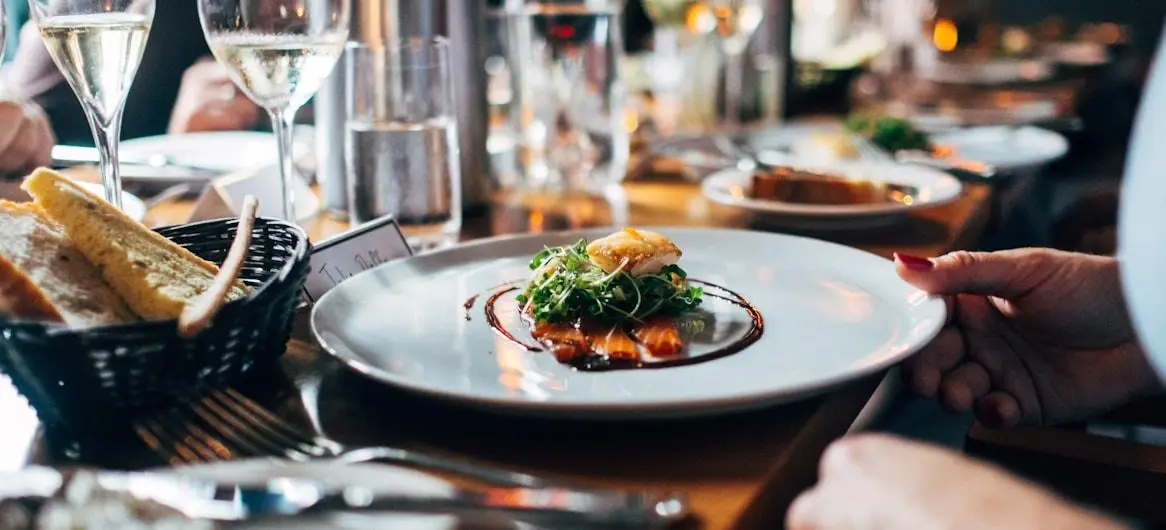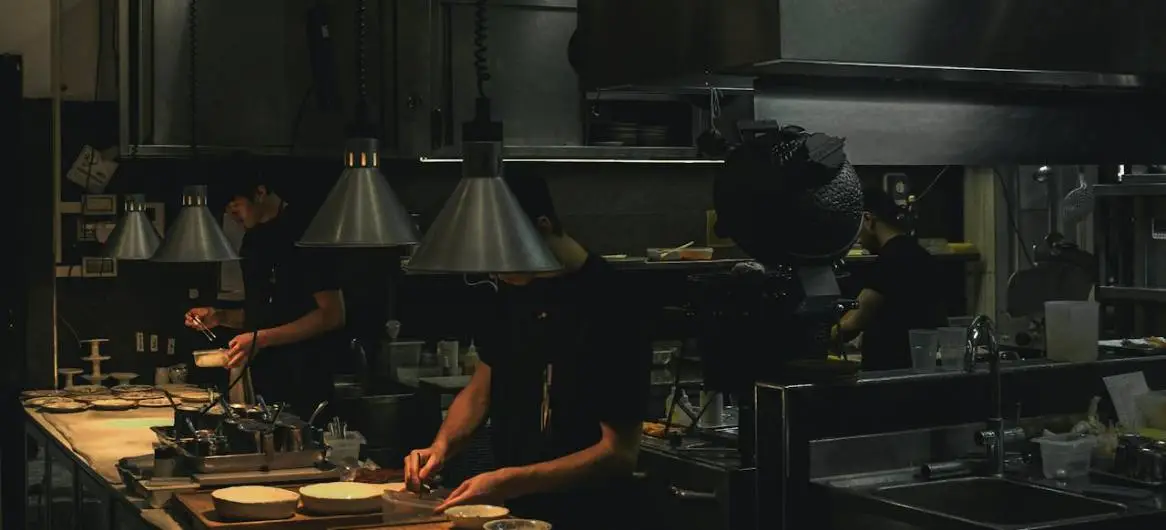
Great restaurants have always been in the story business. The food is the vehicle — but the reason people come back, and the reason they tell others, is the narrative that surrounds it. The chef who sources from a single farm they have worked with for a decade. The family who converted a Georgian townhouse and kept every original detail. The two friends who spent a year travelling Southeast Asia and came home to cook what they had eaten there.
These are not marketing strategies. They are true stories. And in 2026, the restaurants that tell them well — clearly, consistently, across every channel — consistently outperform those that rely on the food alone to do the work.
Diners do not just buy meals. They buy meaning — experiences that feel worth having, worth sharing, worth paying for. A meal at a restaurant with a compelling story feels different from the same meal served without one, even if the food is identical. The story creates context, and context creates value.
This is not sentiment — it is how human perception works. When we understand why something exists, who made it, and what it means to them, we experience it differently. The wine tastes better when we know the vineyard. The dish means more when we understand the memory behind it. The restaurant feels more like somewhere worth going when we know the people who built it.
Storytelling is also the most defensible form of marketing. A competitor can match your menu, undercut your price, or open a more beautiful room. They cannot replicate your story.
Most restaurants already have a story worth telling — they just have not found the clearest way to tell it yet. The starting point is asking the right questions:
The answers to these questions — the ones that are honest, specific, and feel slightly uncomfortable to share — are usually the most powerful. The story that is specific to you is the one worth telling. Generic stories about passion for food and commitment to quality are not stories. They are wallpaper.
A restaurant story does not need to be dramatic or unusual. It needs to be true, specific, and told from a point of view. The best restaurant narratives tend to have three components:
A protagonist. Usually the chef or founder — but it can also be the building, the neighbourhood, a tradition, or a relationship with a supplier. Someone or something the audience can connect with and root for.
A reason this matters. Not just what you do, but why it matters — to you, and to the diner. The belief or value that drives the decisions your restaurant makes. The thing you would not compromise even if it would be commercially easier to do so.
An invitation. A great restaurant story does not end with you — it invites the guest into it. The meal becomes part of the narrative. The diner is not just a customer; they are someone who belongs in this particular place.
Your story needs to live consistently across every channel where a potential guest might encounter you.
Your website is where the full story lives. Your about page is not a CV — it is a narrative. It should explain why this restaurant exists in a way that makes the right person feel like they have found somewhere made for them.
Social media is where the story unfolds in real time. Behind-the-scenes kitchen content, relationships with suppliers, the moments of craft and care that happen before service — these are the chapters that keep your audience engaged between visits and attract new diners who are drawn to what you stand for.
Your menu is a storytelling document. Dish names, provenance notes, the way you describe ingredients and techniques — all of these are opportunities to give people a reason to care about what they are eating before it arrives.
Press and PR amplify the story to audiences you cannot reach through your own channels. Journalists and food writers are looking for stories — restaurants with a clear, compelling narrative are significantly easier to cover than those without one.
Storytelling is not separate from marketing — it is the foundation that all effective marketing builds on. A paid ad that expresses a clear story converts better than one that does not. A social post that reveals something true about your restaurant reaches further than one that simply announces a special. A review response that sounds like a human being with a point of view builds more trust than a template.
The restaurants that invest in understanding and telling their story well are the ones that find marketing gets easier over time — because they are not starting from scratch with every post, every campaign, every pitch to a journalist. They are drawing from a deep well of authentic material that no competitor can replicate.
If you want help finding and telling your restaurant’s story, The Lobby works exclusively with independent hospitality businesses. Get in touch to start the conversation.
The Lobby helps independent restaurants craft brand narratives that connect emotionally with guests and drive repeat visits.