Most independent restaurant owners think about branding the way they think about décor — something to sort out before opening, and then more or less leave alone. But branding is not a logo or a colour palette. It is the total impression your restaurant leaves on everyone who encounters it, before they arrive, while they are there, and long after they leave.
Done well, your brand is the reason a diner chooses you over the place down the street. It is the reason they come back. And it is the story they tell other people. This guide explains how to build it deliberately.
Branding is not what you say about your restaurant — it is what people feel when they think about it. That feeling is shaped by dozens of small decisions: the name, the tone of your menu, the music you play, the way your team greets people, the photography on your website, the caption on your last Instagram post. Each of these is a brand signal, whether you intended it to be or not.
The difference between restaurants that have a strong brand and those that do not is not budget or luck. It is intentionality. Strong restaurant brands make deliberate choices about every signal they send, and those choices are consistent with each other. Weak brands are inconsistent — warm in person, cold online; beautiful food, careless menus; memorable dining room, forgettable website.
Every great restaurant brand begins with a story worth telling. Not a fabricated one — diners can sense inauthenticity immediately — but the real story behind why this restaurant exists, what drives the people who run it, and what they want every guest to feel.
Ask yourself: why does this restaurant exist beyond making money? What does the chef care about that most chefs do not? What is the relationship with suppliers, with the local community, with a particular cuisine or technique? What would be lost if this restaurant disappeared?
The answers to those questions are the raw material of a brand story. Your job is not to invent them — it is to surface them, and then find a way to express them clearly and consistently.
A brand built for everyone is a brand for no one. The most successful independent restaurants are remarkably specific about who they are trying to attract — and as a result, they attract those people in abundance.
Your ideal guest is not a demographic bracket. It is a person with specific values, specific occasions, specific things they care about when they choose where to eat. Are they celebrating? Impressing a client? Seeking a genuinely local experience? Looking for somewhere that shares their commitment to sustainability?
The clearer you are about this person, the better every brand decision becomes. When you are not sure whether to use a certain photo, write a certain caption, or invest in a certain channel, ask: would my ideal guest love this? That question will resolve almost every brand dilemma you face.
Visual identity is the part of branding most people think of first — and it matters, but only in service of the story and the positioning you have already defined. A logo designed before you know your story is decoration. A logo designed to express a clear identity is communication.
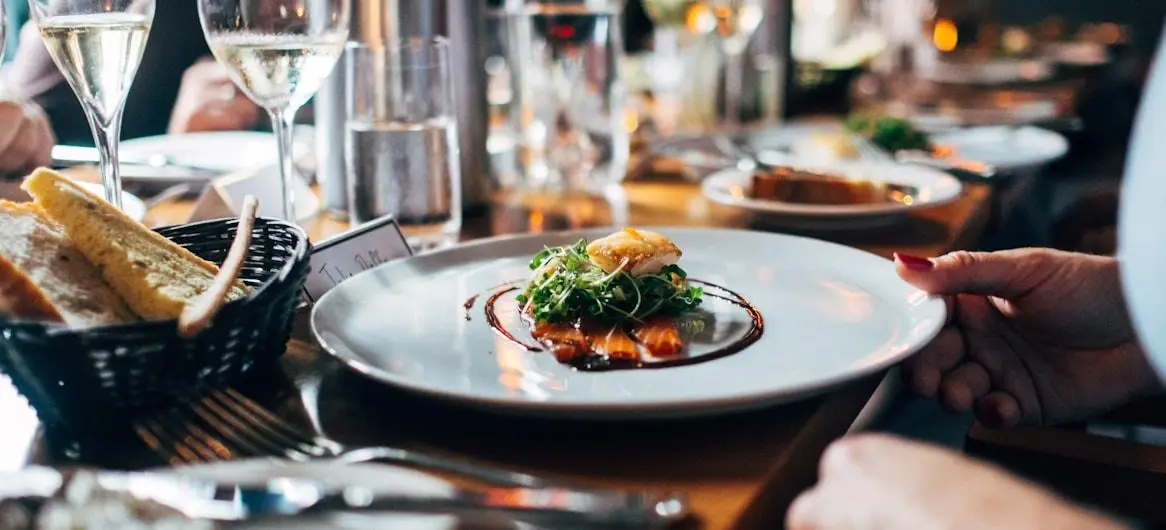
Photography is your most important visual asset. Before you commission a logo refresh or spend on social media, invest in professional food and atmosphere photography that makes people feel something. Aspirational, honest, specific to your restaurant — not generic stock. These images will do more for your brand than any other single investment.
Your colour palette and typography should be consistent across every touchpoint: your website, menus, social media, signage, packaging. Inconsistency is the fastest way to undermine a brand you have otherwise built carefully.
Your menu design is a brand document, not just a functional list. The paper stock, the font, the way dishes are described, the order in which they appear — all of these communicate something about who you are. A restaurant with beautiful food and a laminated menu sends a confusing signal.
A brand only exists if it is consistent. The experience of visiting your website, scrolling your Instagram, reading your menu, being greeted at the door, and receiving the bill should all feel like they come from the same place.
Work through every moment a potential or existing guest encounters your restaurant and ask whether that moment is expressing your brand or contradicting it. Common gaps include:
Each of these gaps is a brand leak — a moment where the impression you are creating does not match the one you intend.
Tone of voice is one of the most underused brand tools in hospitality. The way your restaurant writes — on your menu, your website, your social media, your email newsletters — is as much a part of your identity as how the room looks.
Define two or three adjectives that describe how you want to sound. Warm but not sycophantic. Confident but not arrogant. Knowledgeable but not pretentious. Then hold every piece of written communication up against those adjectives before it goes out.
Consistency in voice builds trust over time. Diners who follow you on social media, receive your emails, and then visit in person should feel a coherent personality running through all of it — the sense that they already know you a little, before they have even sat down.
The restaurants with the strongest brands are not necessarily the ones with the biggest budgets or the most followers. They are the ones that know exactly what they stand for, express it consistently, and deliver on it every single time a guest walks through the door.
Brand is built in the accumulation of small, consistent, intentional choices. It is the work that makes everything else — your marketing, your social media, your paid advertising — significantly more effective, because it gives all of those channels something worth amplifying.
If you want help defining or refining your restaurant’s brand, The Lobby works exclusively with independent hospitality businesses. Get in touch to start the conversation.
The Lobby specialises in brand strategy and marketing for independent restaurants — from identity to guest experience.