Your Boutique Hotel Has Something Chains Will Never Have. Does Your Website Show It?
Independent and boutique hotels hold a card that no chain property can play: genuine personality. A distinct story. A sense of place that a branded hotel — with its standardised rooms, corporate photography, and templated loyalty schemes — simply cannot replicate.
But walk through the websites of most boutique properties and you’d never know it. Generic stock images. Copy that could belong to any hotel anywhere. A booking engine that contradicts the visual identity of the rest of the site. The brand promise collapses at the exact moment a guest is trying to decide whether to book.
Boutique hotel website design is not a visual exercise. It is the single most important brand and revenue tool you control. This guide breaks down what separates boutique hotel websites that consistently generate direct bookings from those that quietly send guests to Booking.com.
The Boutique Difference: Brand Is the Product
In hospitality, the product and the brand are inseparable. Guests choosing a boutique property are not just choosing a room — they are choosing an identity, an experience, a story they want to be part of. The website is where that decision is made or lost.
This gives boutique hotels a structural advantage over chain properties. A Marriott or Hilton website is constrained by brand guidelines designed for global consistency. Yours is not. You can be specific, atmospheric, and genuinely distinctive in a way that large brands cannot.
The implication is significant: your website should feel like no other hotel website. The imagery, the copy, the colour palette, the typeface choices — all of it should communicate something specific about your property, your values, and the experience a guest will have. If any element of your website could be lifted and placed on a competitor’s site without looking out of place, it is not doing its job.
Strong branding also has a direct commercial effect. Guests who connect emotionally with a brand before they book are less likely to price-compare on OTAs. They have already decided. Your website’s job is to give them the confidence to follow through.
1. Lead With Identity, Not Amenities
Most hotel websites open with a carousel of room photography and a bullet list of facilities. Boutique hotel websites that convert lead with something different: an immediate, visceral sense of what it feels like to be there.
What this looks like in practice:
- A full-screen hero image or short, looping video that captures the atmosphere — not the architecture
- A headline that communicates positioning in one line (“A restored townhouse in Porto’s oldest quarter”, “Twelve rooms. No check-in desk. No checkout pressure.”)
- Copy on the homepage that speaks in a distinctive voice — not corporate, not generic, but unmistakably yours
- A booking bar that is visible immediately, without competing visually with the brand story
2. Visual Identity Must Be Consistent Across Every Touchpoint
Brand consistency is not a design nicety. It is a trust signal. Guests who arrive on your website from a Google ad, an email campaign, or a social post need to experience a seamless visual transition — the same palette, the same tone, the same feel. When that consistency breaks, so does confidence.
Brand consistency checklist:
- Booking engine matches the visual identity of the main website (colours, fonts, button styles)
- Email marketing templates reflect the same design language as the website
- Paid media creative — Google Ads, Meta, display — uses the same imagery and tone as the landing page guests arrive on
- Room photography across the site maintains a consistent colour grade and visual style
- Copy voice is the same whether you are writing a homepage headline or a rate confirmation email
3. Photography: Authenticity Over Polish
Professional photography is non-negotiable. But the specific quality that boutique hotel photography needs to achieve is not polish — it is authenticity. Guests choosing an independent property over a chain are explicitly looking for the real, the specific, the unscripted.
What works for boutique properties:
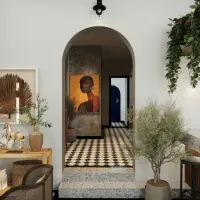
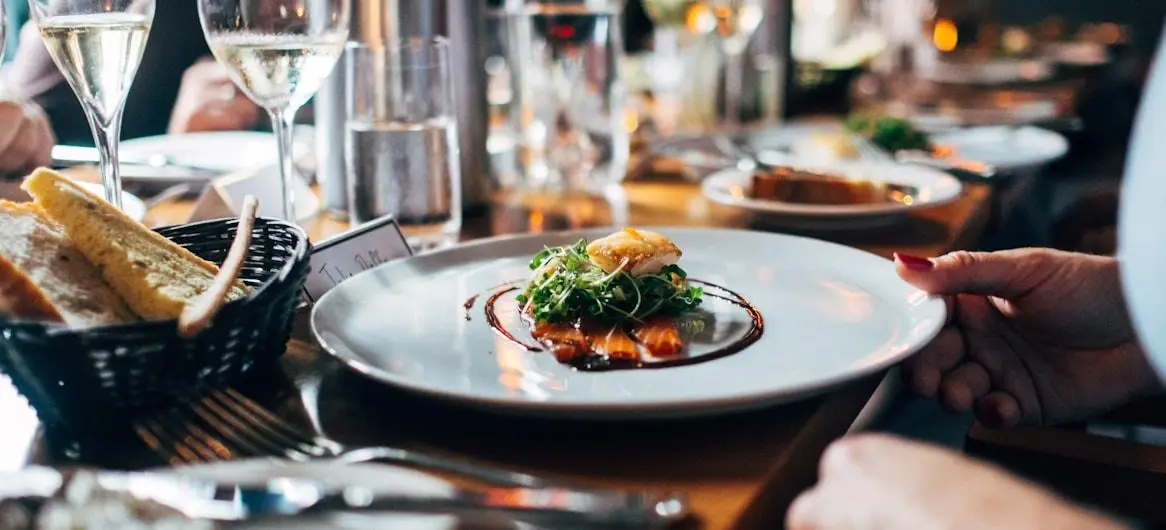
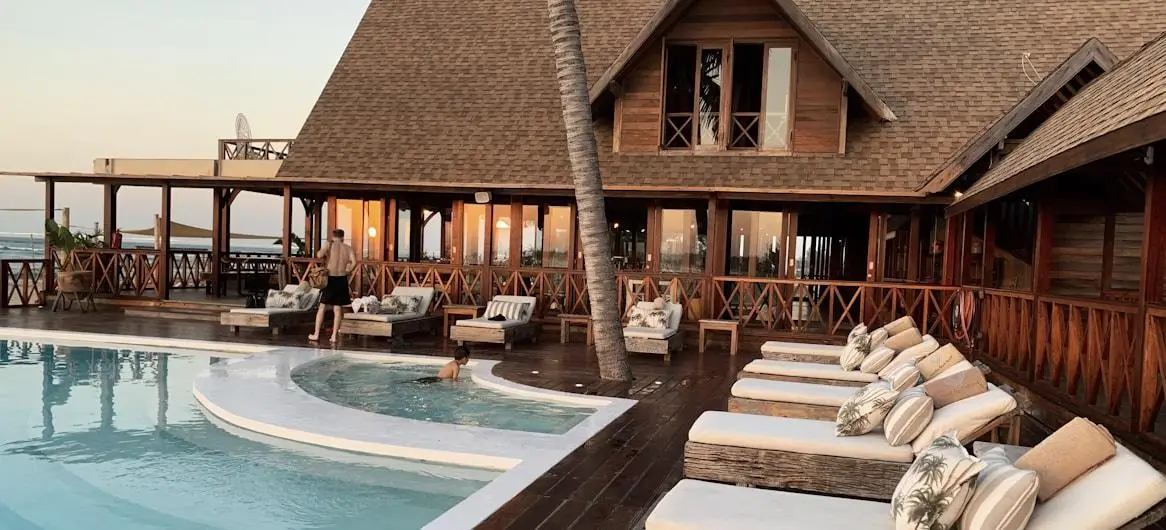
- Lifestyle shots that show guests experiencing the property — breakfast on a terrace, books on a windowsill, morning light through original shutters
- Details that tell the story of the property — local artwork, inherited furniture, the owner’s library
- Images of the neighbourhood that position the hotel as a gateway to a real place, not a bubble apart from it
- Room photography that captures atmosphere, not just dimensions
What to avoid:
- Stock imagery of any kind — guests can identify it, and it destroys brand credibility instantly
- Overly processed images that look like every other hotel
- Photography that is not specific to your property, your light, your moment
Beyond conversion, photography has a direct impact on SEO. Properly named, compressed, and alt-tagged images contribute to Google Image rankings and to Core Web Vitals scores.
4. Your Booking Engine Is Where Revenue Is Won or Lost
A guest who reaches your booking engine has already made a decision in your favour. The booking engine’s job is simply not to get in the way of that. And yet for many boutique hotels, it is precisely where the conversion breaks down.
What a high-performing boutique hotel booking engine looks like:
- Visual consistency with the main website. Colours, fonts, button styles, and photography should all match.
- Three steps or fewer to completion. The best booking engines get guests from search to confirmation in three clicks: dates, room selection, payment.
- Trust signals at the point of payment. SSL certificate indicator, secure payment icons, cancellation policy clearly stated, and a best-rate guarantee if you offer one.
- Mobile-optimised input. Date pickers, room selectors, and payment forms must work as smoothly on a phone as on a desktop.
- Price transparency. Show the total price including taxes and fees before the confirmation step.
5. Every Page Is a Landing Page
Any page on your site can be the entry point for a guest arriving from Google search, a paid ad, or an email campaign. Each of those guests arrives with a specific intent. If the page they land on does not immediately match that intent, they leave.
The principles of effective hotel landing pages:
- One page, one primary action. A room page should have one clear CTA: book this room.
- Above the fold must do the selling. Headlines, imagery, and a CTA should all be visible without scrolling on both desktop and mobile.
- Message match. If a guest clicks a Google Ad promoting your summer terrace offer, the page they arrive on should be about the summer terrace offer — not your general homepage.
- Minimal friction. Every additional click between the guest and their booking is a potential exit point. Strip it back.
6. UX: Design for How Guests Actually Behave
Most guests visiting a boutique hotel website are not reading — they are scanning. Your design should work with this behaviour, not against it.
Practical UX principles for boutique hotel websites:
- Visual hierarchy matters. The most important element should be the most visually dominant.
- Navigation should be simple. A boutique hotel website rarely needs more than five or six items in the main menu.
- Calls to action must be clear, singular, and persistent. Use high-contrast buttons with direct copy: “Book Direct”, “Check Availability”, “Reserve Your Room”.
- Mobile-first, without compromise. More than 60% of hotel website traffic arrives on mobile. Design the entire guest experience around the smallest screen first.
- Trust signals throughout, not just at checkout. Real guest reviews, award badges, press mentions, and secure checkout indicators should appear consistently across the site.
7. SEO Is Built Into Design, Not Added Afterwards
The structural decisions made during design have a direct and lasting impact on how Google reads, ranks, and surfaces your pages.
Design decisions with direct SEO consequences:
- Page speed. A one-second delay in load time can reduce conversions by up to 7% — and a slow site attracts fewer visitors in the first place.
- Core Web Vitals. Google uses LCP, CLS, and INP as ranking signals. All three are directly influenced by design and development choices.
- Schema markup. Structured data for hotels helps Google display rich results directly in search listings.
- Internal linking. Every blog article is an opportunity to link to your room pages and direct booking flow.
- Image optimisation. Descriptive, keyword-relevant alt text on room photography is a frequently missed SEO opportunity.
8. How Your Website Design Affects Your Paid Media Performance
Your website design is not a separate concern from your advertising strategy. It is a core part of it. Google Quality Score — which determines your cost per click — is partly determined by the relevance and quality of your landing page.
What boutique hotel paid media needs from your website:
- Dedicated landing pages for campaigns. Sending paid traffic to the homepage is one of the most common and expensive mistakes in hotel digital marketing.
- Fast load times. A page that takes more than three seconds to load on mobile will lose a significant proportion of the guests you just paid to attract.
- Retargeting audiences. A well-designed, high-converting site builds better retargeting pools for Google and Meta campaigns.
9. Email Marketing Starts on Your Website
Your email list is one of your most valuable direct marketing assets — and it starts with your website.
- Capture forms should be specific, not generic. “Get early access to our seasonal offers and local guides” converts better than “Subscribe for updates”.
- Dedicated landing pages for email campaigns. Message match between email content and landing page is one of the highest-leverage improvements a boutique hotel can make.
- Pre-arrival email sequences linked to pages on your website increase ancillary revenue and reduce cancellations.
- Abandoned booking follow-up. An automated email sent within one to two hours recovers a meaningful percentage of lost reservations.
10. Measure What Matters: Analytics for Boutique Hotel Websites
- Google Analytics 4 configured with booking engine events — booking engine clicks, room page views, form submissions, completed reservations
- UTM parameters on every paid media and email link so GA4 correctly attributes bookings to the channel that generated them
- Google Tag Manager to manage all tracking without requiring developer involvement
- Hotjar or Microsoft Clarity for heatmaps, scroll depth, and session recordings
The industry average direct booking conversion rate is 1–3%. Well-optimised boutique hotel websites achieve 3–5% and above.
The Boutique Advantage Is Real. But Only If Your Website Claims It.
At The Lobby, we design and build hotel websites for independent and boutique properties that are built to convert, built to rank, and built to reflect the brand you have worked to create.
Get a free website review →
The Lobby is a hospitality digital marketing agency working with independent hotels and restaurants across Europe. We combine SEO, paid media, and website strategy to grow direct revenue.
Ready to build a boutique hotel website that wins bookings?
The Lobby designs bespoke websites for boutique hotels — combining stunning visuals with conversion-focused UX.
Book a Free Website Consultation