You’ve invested in the website. You’re spending on Google Ads. Guests are arriving on your pages. And yet the direct bookings aren’t coming — or they’re coming at a fraction of the rate they should be.
The good news is that hotel website conversion problems are almost always diagnosable and fixable. They tend to fall into a predictable set of patterns — design decisions, technical failures, and messaging errors that quietly bleed revenue every day.
The average hotel website converts between 1% and 3% of visitors into direct bookings. Well-optimised independent hotel websites achieve 3–5% or above. If you don’t know your current conversion rate, that is itself the first problem. Connect Google Analytics 4 to your booking engine, set up conversion tracking for completed reservations, and establish your baseline.
Guests arriving on your website — particularly from paid ads or OTA referrals — often need to be reminded immediately why booking direct is worth it. If the first thing they see is a hero image with no explanation of what makes your property different, a significant proportion will return to Booking.com.
The fix: Every page entry point should answer three questions within three seconds: Where am I? What makes this property worth staying at? Why should I book here rather than on an OTA? A clear headline, a direct booking incentive, and a prominent CTA visible above the fold address all three.
This also applies to your paid media. If your Google Ad promises a “10% discount for direct bookings” but the landing page makes no mention of it, the message mismatch destroys the conversion before it begins.
The booking engine is where more conversion is lost than anywhere else on a hotel website. Every unnecessary step, every visual inconsistency, every slow-loading form is an opportunity for doubt to creep in.
The fix: Audit your booking engine:
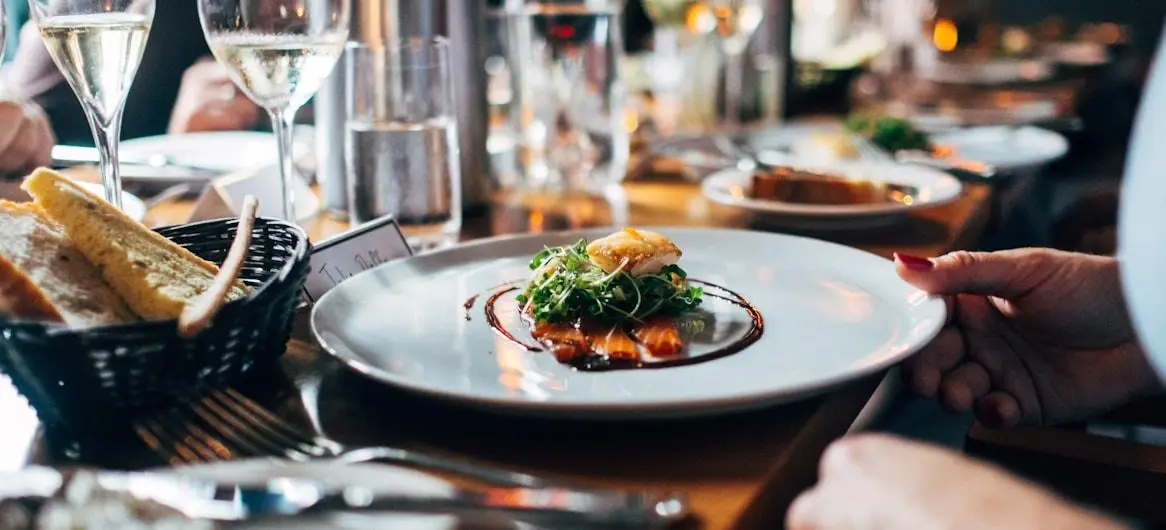
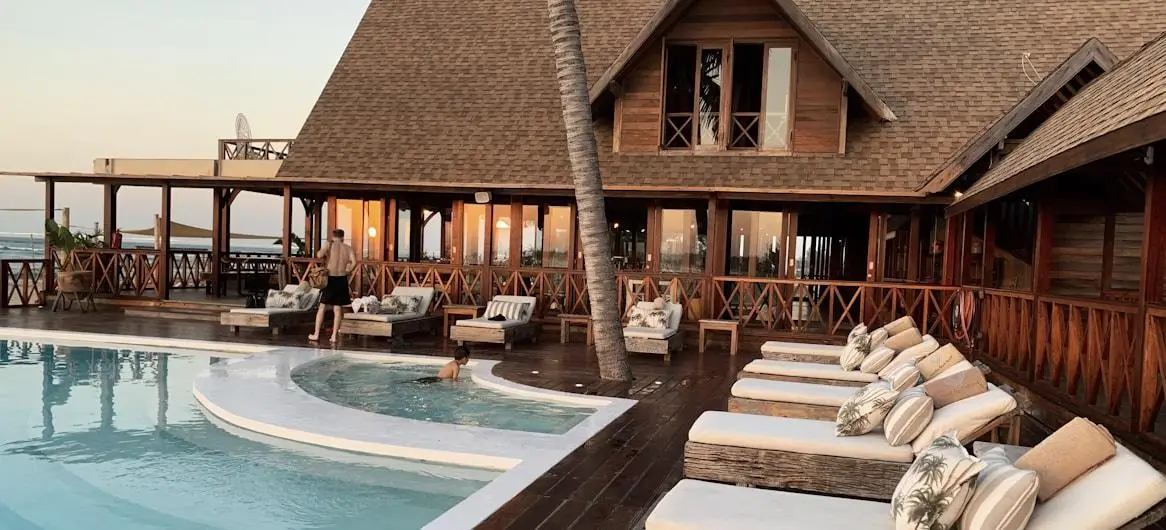
Photography that is generic, outdated, or poorly lit fails at its fundamental task. It does not matter how good your copy is if the images do not create desire.
The fix: Assess your photography honestly:
Beyond conversion, photography affects SEO. Properly optimised images — compressed to WebP format, named descriptively, with accurate alt text — contribute to Google Image rankings and improve Core Web Vitals scores.
A one-second delay in page load time reduces conversions by up to 7%. Page speed also affects your SEO rankings directly — Google measures Core Web Vitals as ranking factors.
The fix: Run your site through Google PageSpeed Insights. If your mobile score is below 70, treat it as urgent. Images in WebP format, a lightweight theme, minimal plugins, and quality managed hosting resolve the majority of speed issues without a full rebuild.
Most hotel websites were designed on a desktop. Most hotel guests browse on a phone. Common mobile failures include navigation difficult to use with a thumb, booking forms with tiny input fields, and CTAs that cannot be tapped without zooming.
The fix: Test your website on an actual mobile device and complete the full journey from homepage to booking confirmation. Google uses mobile-first indexing — a poor mobile experience is not just a conversion problem, it is an SEO problem.
A call to action that says “Find Out More” is not a call to action. Guests with intent to book need to be guided clearly to the next step.
The fix: Make the primary action the most visually prominent element on every page. Use direct language: “Book Direct and Save 10%”, “Check Availability”, “Reserve Your Room Tonight”. Place the CTA above the fold, repeat it after substantial content sections, and make it persistent — a sticky header bar ensures a guest who decides to book partway down a page does not have to scroll back up.
Without properly configured analytics, conversion problems are invisible — and invisible problems cannot be fixed.
The fix: At a minimum, you need:
Every week that your hotel website operates with a conversion problem is a week of revenue transferred to OTAs or simply lost.
At The Lobby, we offer a free hotel website audit that identifies exactly where your site is losing bookings and what to do about it.
The Lobby is a hospitality digital marketing agency working with independent hotels and restaurants across Europe. We combine SEO, paid media, and website strategy to grow direct revenue.
The Lobby helps independent hotels improve conversion rates through design, copy, speed, and booking engine optimisation.