For independent hotels, every booking that goes through an OTA costs between 15% and 25% in commission. On a £200 room night, that’s up to £50 handed to a third-party platform — every single time, on every single booking.
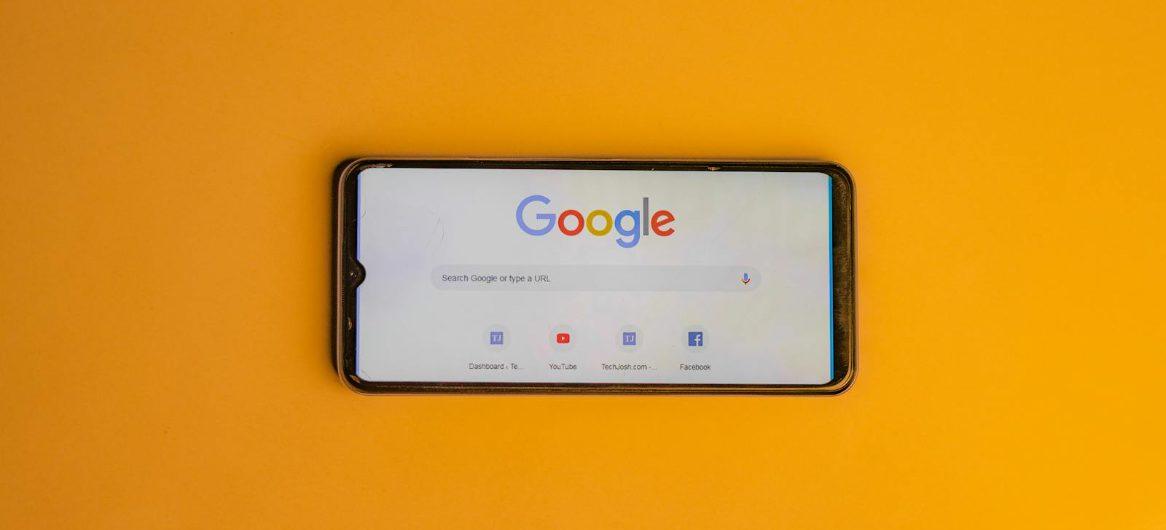
Google Ads done well can change that equation entirely. When a traveller searches “boutique hotel in Edinburgh” or “hotel near the Colosseum with breakfast,” you can appear at the very top of the results, ahead of Booking.com and Expedia, with a direct link to your own booking engine.
The commission? Zero. The control? Total.
But Google Ads for hotels is not a plug-and-play solution. Run poorly, it burns budget without results. Run well, it becomes one of the most reliable engines of direct revenue an independent property can build.
This guide explains how it works and what separates campaigns that drive profit from those that drain it.
Google Ads operates on a pay-per-click (PPC) model. You bid on search terms — keywords — and when a user searches for one of those terms, your ad is eligible to appear. You only pay when someone clicks.
For hotels, there are three main campaign types worth understanding:
Text-based ads that appear at the top of Google search results when a user searches a relevant query. These are the most direct form of intent capture — the user is actively looking for somewhere to stay, and your ad puts your property in front of them at the precise moment of decision.
Google’s own hotel comparison product, which integrates directly with your booking engine to display real-time rates and availability. Hotel Ads appear in Google Search, Google Maps, and the dedicated Google Travel interface. For independent hotels, this is arguably the highest-value paid channel available — high intent, low friction, and a direct booking path.
Banner and visual ads shown across Google’s Display Network — the millions of websites and apps that partner with Google to serve ads. For hotels, display is most powerful as a retargeting tool: reaching users who have already visited your website but didn’t complete a booking.
Consider the unit economics:
| Channel | Average Commission / CPA | Control | Guest Data |
|---|---|---|---|
| Booking.com / Expedia | 15–25% per booking | Low | None |
| Google Hotel Ads | 10–15% (commission model) or fixed CPC | High | Full |
| Google Search Ads | Variable CPC (typically £2–£8 for hotel terms) | Full | Full |
| Direct (organic) | Zero | Full | Full |
The goal of a paid media strategy is not to eliminate OTA presence — OTAs serve a genuine awareness function — but to reduce dependence on them for guests who are already searching specifically for your property or your location.
When a guest searches your hotel name on Google and clicks a Booking.com result because your own paid ad wasn’t there, you’ve just paid a commission on a guest who was already yours. Brand bidding campaigns — targeting your own hotel name — are often the highest-ROI campaigns an independent property can run.
Not all search terms are equally valuable. The most important distinction for hotels is between:
Principles of high-performing hotel ad copy:
A common mistake: sending all paid traffic to the homepage. The guest clicked an ad, they’re ready to act — don’t make them navigate. Send them to the most relevant page with a clear, immediate path to book.
For most independent hotels, a well-managed campaign with a monthly budget of £500–£2,000 will generate a meaningful return.
Hotel Ads appear with live rates and availability directly in Google Search results, at the moment a traveller is comparing options. The guest clicks and lands directly on your booking engine with dates pre-populated.
Why Google Hotel Ads matter:
For any independent hotel not yet running Google Hotel Ads, it is typically the first paid media recommendation we make.
Paid traffic needs a relevant, conversion-optimised landing page. Homepages are built for browsing; landing pages are built for booking.
Google will match your ads to searches you didn’t intend. Review your search term reports regularly and add negative keywords to prevent wasted spend on irrelevant queries.
If you don’t know which ads are generating bookings, you can’t optimise. Proper conversion tracking — connecting Google Ads to your booking engine — is non-negotiable.
Google Ads requires active management. Bids, budgets, ad copy, and keyword lists all need regular attention. A campaign untouched for three months is almost certainly wasting money.
If you’re not bidding on your own hotel name, OTAs almost certainly are. Every click they receive on a branded search is a commission you’re paying unnecessarily.
The headline metric for hotel paid search is Return on Ad Spend (ROAS): the revenue generated per pound spent on advertising. For most independent hotels, a blended ROAS of 4:1 to 8:1 is achievable with well-managed campaigns.
Other key metrics:
Google Ads is one of the most powerful tools available to independent hotels that want to reduce OTA dependence and grow direct revenue. The barrier to entry is lower than most assume. The potential return is significant.
At The Lobby, we manage Google Ads and Hotel Ads campaigns exclusively for hospitality businesses. We know the keywords, the booking patterns, and the strategies that generate real, measurable returns for independent properties.
Book a free paid media audit →
The Lobby is a hospitality digital marketing agency working with independent hotels and restaurants across Europe. We combine SEO, paid media, and website strategy to grow direct revenue.
The Lobby manages paid search for independent hotels — from strategy to optimisation — focused on direct booking ROI.