Your hotel website can be beautifully designed, brilliantly photographed, and perfectly optimised for search. And then a guest reaches your booking engine and everything falls apart.
The booking engine is the most revenue-critical page on your entire website. It is where a guest who has already decided to stay translates that intention into a completed reservation. It is also where independent hotels lose more revenue than anywhere else — not through a lack of demand, but through friction, mistrust, and poor design.
The most common trust failure in hotel direct booking is a jarring visual disconnect between the hotel’s website and its booking engine. A beautifully branded boutique hotel website that redirects guests to a generic, unbranded booking module signals to the guest that something has changed. Doubt at this stage is fatal to conversion.
What good visual integration looks like:
Every step between a guest’s initial rate search and their completed reservation is a drop-off risk. The booking engines that convert best get guests through the process in three steps: availability search, room selection, and payment confirmation.
Map your current booking flow and count the actual clicks required. Common sources of unnecessary steps include mandatory account creation before checkout, multiple confirmation screens before payment, and upsell interstitials that interrupt the booking flow.
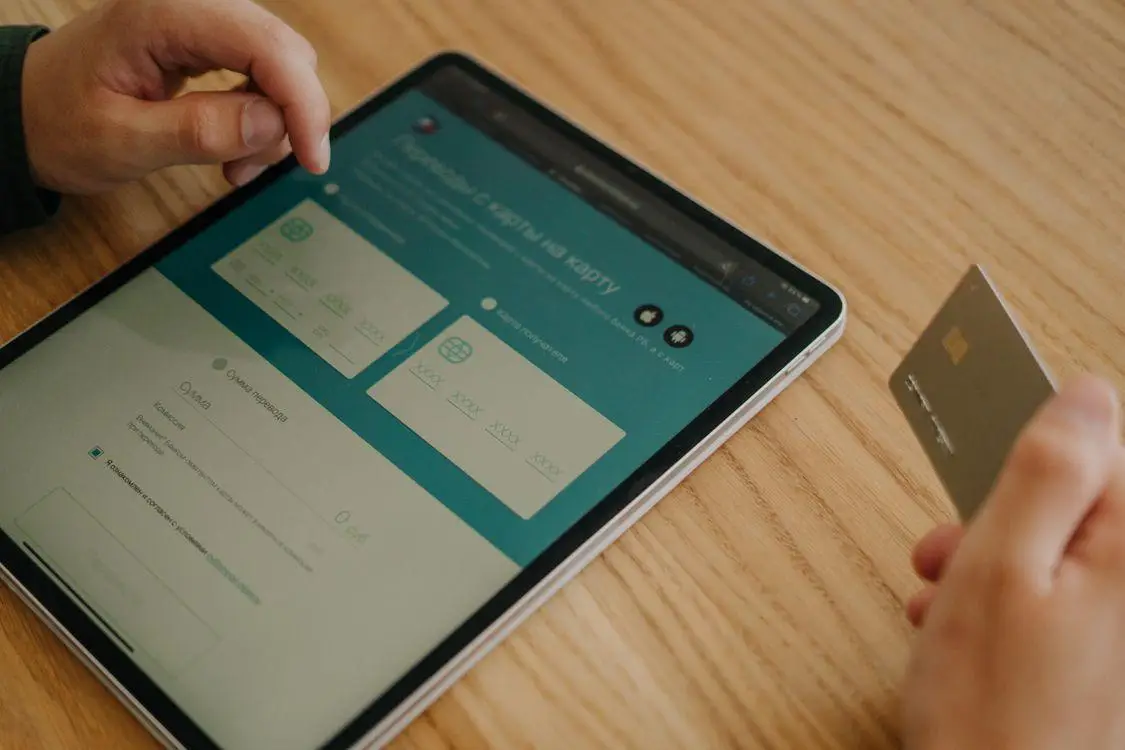
A guest entering payment details on an independent hotel website is extending a degree of trust they do not extend to OTAs. Your booking engine must make the security and legitimacy of that transaction visually explicit.
Trust signals that should be visible at the payment step:
Hidden charges revealed at checkout are one of the most common causes of last-minute booking abandonment. Show the total price — including all taxes, fees, and any mandatory charges — before the guest reaches the payment step. This is an expectation that guests have developed from their experience with OTAs and other e-commerce platforms.
Test your booking engine on an actual mobile device and complete a full booking. Specifically check:
Ambiguity about what a rate includes creates hesitation — and hesitation at the booking step typically resolves in abandonment. Every room type should have a clear, distinct name and description. Rate names should be descriptive (“Flexible Rate — Free Cancellation” rather than opaque codes). What is included in each rate should be stated explicitly, and the cancellation policy summarised in plain language before selection.
A guest who reached the payment step and left has demonstrated significant intent. An automated email sent within one to two hours — acknowledging they were looking at your property, reiterating your best-rate guarantee, and providing a direct link back to the booking — recovers a measurable proportion of those lost reservations.
To implement this, your booking engine needs to capture the guest’s email address early in the flow — before payment. The follow-up email should land on a dedicated page that addresses common booking objections: flexible cancellation, security of direct payment, price match guarantee.
The minimum measurement framework:
UTM parameters on all paid media and email links ensure GA4 can attribute completed bookings to the channel that generated them.
At The Lobby, we audit hotel booking engines as part of our conversion review process — identifying exactly where guests are dropping off and what to do about it.
Book a free booking engine audit →
The Lobby is a hospitality digital marketing agency working with independent hotels and restaurants across Europe. We combine SEO, paid media, and website strategy to grow direct revenue.
The Lobby helps independent hotels optimise their booking engine setup to reduce drop-off and increase direct conversions.