No marketing channel available to an independent hotel has a more immediate or more measurable impact on direct bookings than photography. Not SEO. Not paid media. Not email. Before a guest reads a single word of your copy, before they check your rates, before they compare your cancellation policy — they have already made a preliminary decision based on what your images make them feel.
And yet the majority of independent hotel websites operate with photography that is years out of date, visually inconsistent, or simply not good enough to compete with the polished imagery of OTA listings and chain hotel marketing departments.
This guide covers what hotel photography actually does to conversion rates, what good hotel photography looks like across every channel, and how to get the most from your visual assets across your website, paid media, email campaigns, and SEO.
The psychology of hotel photography is straightforward: guests cannot experience your property before they book it. Photography — and to a lesser extent video — is the closest approximation of that experience available to them in the decision stage. Images that create genuine desire, that allow a guest to imagine themselves in the space, that communicate quality and distinctiveness, directly move guests from consideration to commitment.
The conversion impact is measurable. Properties that invest in professional photography consistently report higher direct booking conversion rates than those operating with poor or generic imagery. The mechanism is not mysterious: a guest who is emotionally engaged with a property’s visual identity is less likely to return to an OTA to comparison-shop, and less likely to abandon the booking engine partway through checkout.
Photography also affects how long guests spend on your website. Pages with compelling imagery have lower bounce rates and higher scroll depth — both signals that Google uses in assessing page quality for organic search rankings.
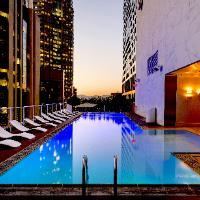
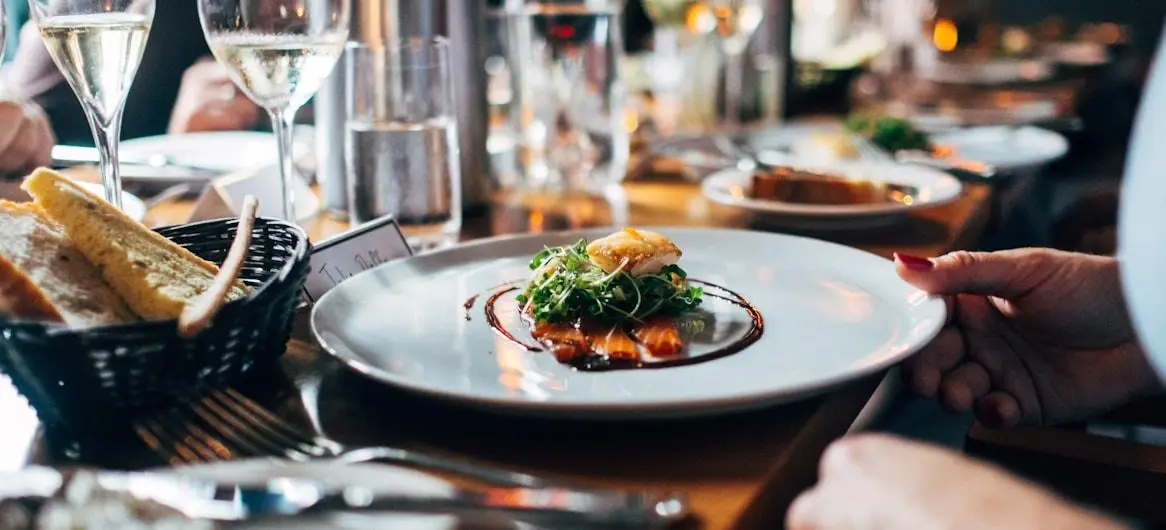
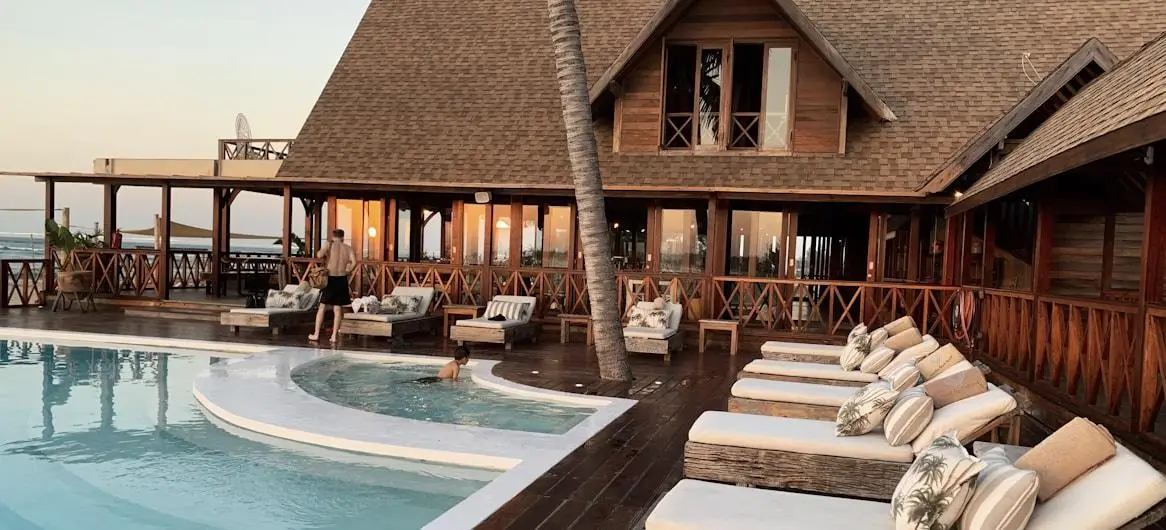
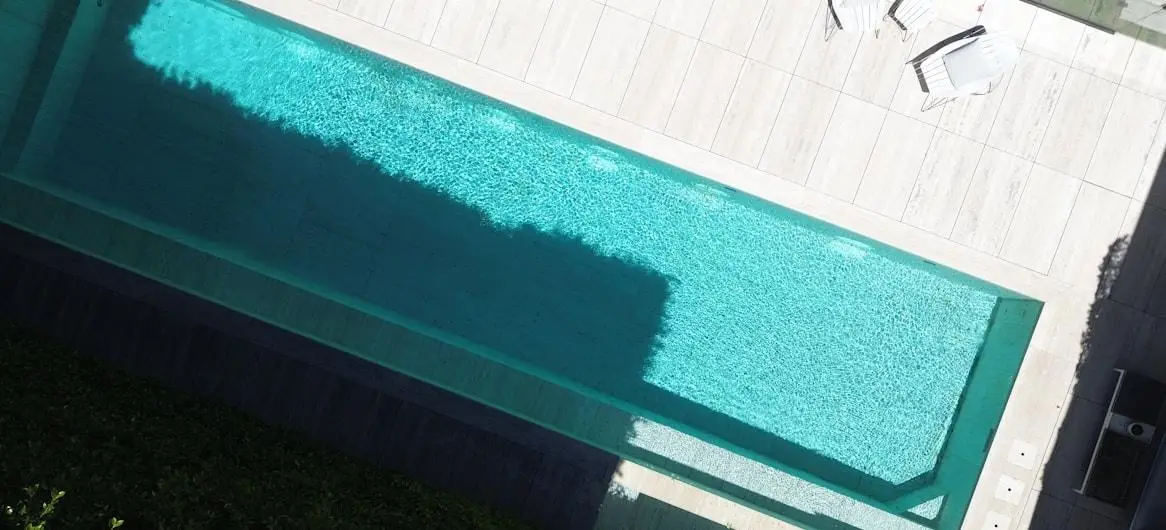
The most common mistake in hotel photography is treating the property as the subject. Rooms photographed from the doorway. The lobby shot from the corner to show the whole space. The pool from the deck. These images communicate dimensions. They do not communicate desire.
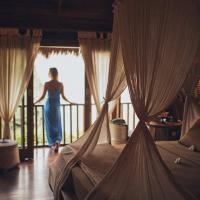
The photography that converts focuses not on what the property contains, but on what it feels like to be there.
Atmosphere photography that sells:
The question to ask of every image before it appears on your website: does this make a stranger want to be here? If the honest answer is not an immediate yes, the image is not working hard enough.
Guests booking a specific room type want to see exactly what they are paying for. Ambiguity about what a room looks like is one of the most common causes of booking hesitation. A guest who cannot find a clear image of the superior room they are considering will not call to ask — they will book the OTA listing instead, where standardised photography requirements mean every room type is documented.
Room photography requirements:
Room photography should be updated whenever significant changes are made — new bedding, refurbished bathrooms, new furniture. Outdated room photography creates a gap between expectation and reality that generates negative reviews, regardless of the actual quality of the stay.
Photography is not just a conversion asset — it is an SEO asset. Well-optimised images contribute to organic search rankings in two ways: through Google Image search, which drives meaningful discovery traffic to hotel websites, and through Core Web Vitals, the page performance metrics that affect how Google ranks pages in standard search results.
Image SEO requirements:
The photography on your website is the foundation. But the same visual assets need to work across every paid media channel — Google Display, Meta, Instagram, Pinterest — and the requirements of each channel are different.
Paid media photography principles:
Message match: If a Meta ad promotes your suite with private terrace, the landing page it links to should feature photography of that suite prominently. Guests clicking on specific photography have indicated a visual preference. The landing page should meet it.
Email is the highest-ROI direct marketing channel available to most independent hotels, and photography is central to why email campaigns work. A well-chosen hero image in an email campaign — one that captures the season, the specific offer, or the experience being promoted — significantly increases open-to-click rates compared to text-heavy emails.
Email photography best practices:
Pre-arrival emails are particularly valuable. A well-photographed pre-arrival sequence — showcasing the dining experience, the local area, the upgrade options — keeps the property vivid in the guest’s mind between booking and arrival, reduces cancellation rates, and generates ancillary revenue from pre-booked experiences and upgrades.
For boutique and independent hotels, photography is not just a marketing tool — it is a brand identity asset. The visual language of your imagery communicates what your property stands for, who it is for, and what kind of experience a guest will have. This communication happens in the two to three seconds before a conscious decision is made.
Visual consistency as brand:
A strong visual identity — one that is immediately recognisable as specific to your property — also makes paid media more effective. When guests encounter your photography multiple times across different channels (Instagram, display ads, email, search), the accumulated visual familiarity builds brand recognition that reduces cost per acquisition and increases the likelihood of direct booking.
Photography choices can be measured. Not perfectly, and not in isolation — but with proper analytics configuration, you can identify which pages, which visual presentations, and which paid media images are contributing most to direct booking conversion.
What to measure:
Photography improvements that drive measurable conversion gains are worth repeating. The goal is not beautiful imagery as an end in itself — it is beautiful imagery that demonstrably moves guests from consideration to booking.
Professional hotel photography is one of the most consistently high-return investments an independent hotel can make. The cost of a professional shoot — typically recovered in additional direct bookings within weeks for properties that have been operating with inadequate imagery — is far outweighed by the ongoing revenue impact of images that work across every channel simultaneously.
The photography on your website drives organic search engagement, improves paid media click-through rates, increases email campaign effectiveness, and builds the visual brand identity that makes every other marketing activity more efficient. It is not a design cost. It is a marketing infrastructure investment.
At The Lobby, photography review is part of every hotel website and digital marketing audit we conduct. If your imagery isn’t working as hard as it should be, we’ll tell you what to fix and how.
Get a free website and photography review →
The Lobby is a hospitality digital marketing agency working with independent hotels and restaurants across Europe. We combine SEO, paid media, and website strategy to grow direct revenue.
The Lobby helps independent hotels create visual content that captures the guest experience and drives direct bookings.